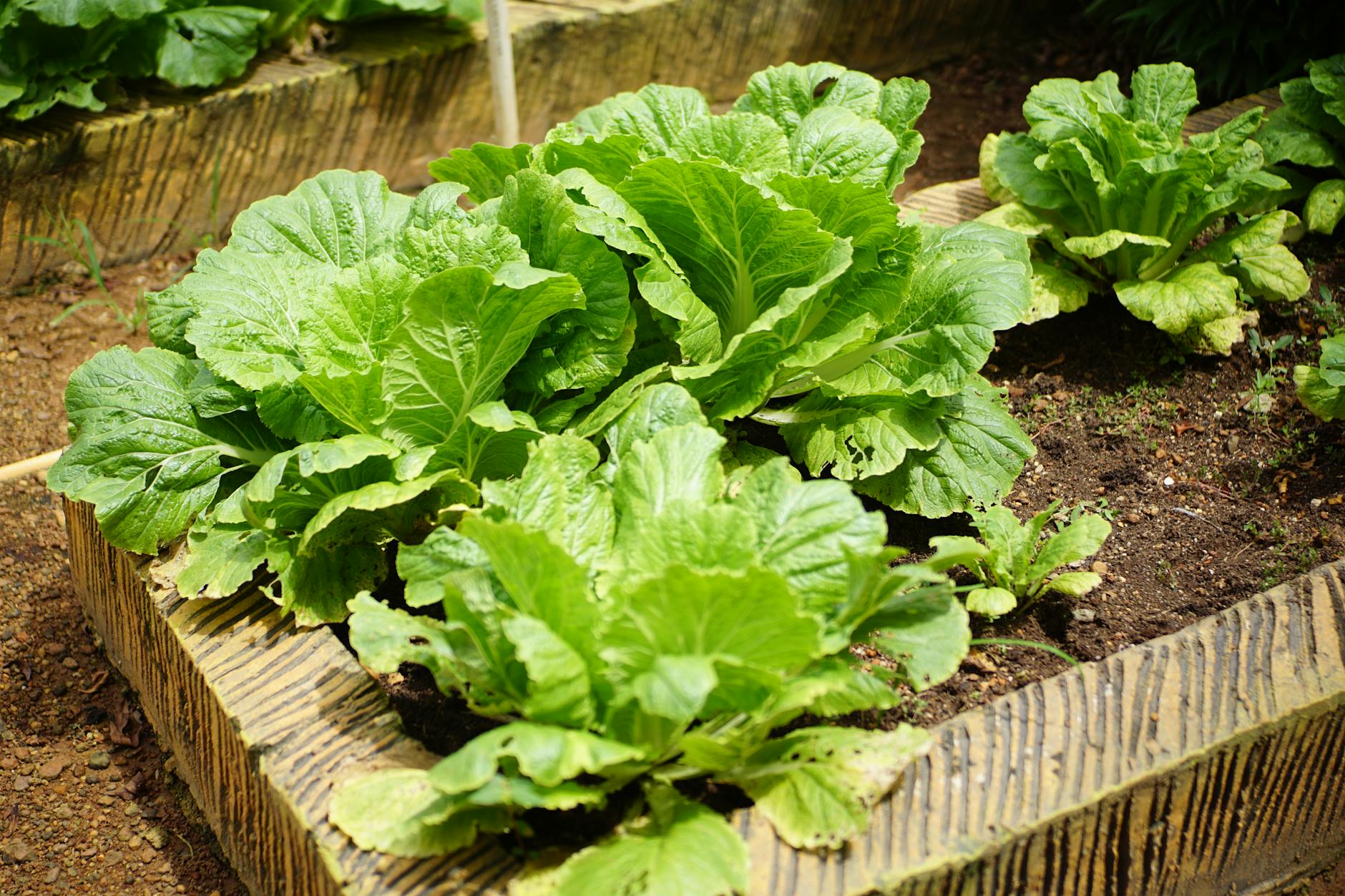
Time a vegetable garden by sorting crops into cool-season and warm-season groups and counting from your average last spring frost date. Cool-season crops such as peas, lettuce, spinach, and radishes can go in several weeks before that date. Warm-season crops such as tomatoes, peppers, beans, and squash wait until frost danger has passed and the soil and nights have warmed.
The dates themselves depend on where you live. Last frost can fall in March in mild regions and in late May or June in cold ones, so no single date is correct for everyone. Your local cooperative extension service (the state university extension office for your county) publishes planting calendars for your area, and that is the best place to start. Everything below is a method for using those dates, not a set of dates to copy.
Find your frost dates
The average last spring frost date is the typical date after which a killing frost becomes unlikely, and the average first fall frost marks the end of the growing season. Both are averages, so frost after the spring date is still possible. At the average date itself, the odds of a later frost are roughly even.
Ways to find yours:
- Ask your local cooperative extension service, which usually has frost dates and a vegetable planting calendar for your county.
- Use a frost-date lookup from a national weather or garden resource, entering your zip code.
- Ask a local nursery. Experienced staff know when frost risk really ends nearby.
- Keep your own records of the last frost each year.
Do not confuse frost dates with your hardiness zone. The USDA Plant Hardiness Zone Map shows average coldest winter temperatures, which matters for choosing perennials, shrubs, and trees. It does not tell you when to sow tomatoes. For annual vegetables, frost dates and soil warmth are the guides.
Microclimates shift things further. Low spots collect cold air and frost later than slopes, a south-facing wall warms early, and city yards often run warmer than open country.
Cool-season versus warm-season crops
Vegetables fall into two broad groups. Cool-season crops tolerate light frost and tend to bolt (flower and turn bitter) in summer heat, so they thrive in spring and fall. Warm-season crops stop growing in cold weather and are killed by frost.
| Group | Examples | General timing relative to last spring frost |
|---|---|---|
| Hardy cool-season | Peas, spinach, kale, onions, radishes | Several weeks before, as soon as soil can be worked |
| Semi-hardy cool-season | Lettuce, carrots, beets, chard, broccoli, cabbage | A few weeks before |
| Tender warm-season | Tomatoes, peppers, eggplant, cucumbers, squash, basil | After the last frost, once nights are reliably mild |
| Heat-loving | Melons, sweet potatoes, okra | Later still, once soil is warm |
| Warm-season direct-sown | Beans, corn | Around or shortly after last frost |
Exact weeks vary by crop and region, so use your extension calendar for the numbers.
Check soil temperature, not just the calendar
Seeds germinate within a temperature range, and cold, wet soil rots seed and stalls transplants. A soil thermometer pushed a few inches into the ground in the morning gives a reliable reading. As rough guidance from extension sources:
- Peas, spinach, and lettuce can germinate in quite cool soil, around 40F to 50F.
- Warm-season crops such as beans, tomatoes, squash, and cucumbers generally want soil at about 60F or warmer, and tomatoes and peppers also stall when nights stay cool.
- Peppers, melons, and similar heat lovers do better when soil is warmer still.
Seed packets and extension fact sheets list a minimum soil temperature for each crop, which is the number to follow.
Soil also needs to be workable. If a handful squeezed in your fist forms a sticky ball that does not crumble, it is too wet to dig, and working it compacts it. Wait a few days. For more on soil quality, see what makes good garden soil.
Start seeds indoors on a timeline
Some crops get a head start indoors, counted back from your last frost date. Seed packets state the timing, and typical ranges are:
- Tomatoes and peppers: roughly 6 to 8 weeks before last frost.
- Eggplant: a little longer.
- Broccoli, cabbage, and kale: about 4 to 6 weeks.
- Cucumbers, squash, and melons: only a few weeks, since they dislike root disturbance.
Seedlings need bright light: a very sunny window or a basic LED grow light placed close above them for many hours a day. Without enough light, seedlings stretch and flop. Nursery transplants are a perfectly good alternative, and often the better call for tomatoes and peppers if you only want a few plants.
Indoor seedlings must also adjust to wind, sun, and temperature swings. Over a week or so, set them outside in shade for an hour or two and lengthen the time and sun each day. Skipping this hardening off is a common reason transplants scorch or stall.
A sample calendar, with made-up dates
To show the method, suppose a garden’s average last frost is May 1. Your own dates will differ, so shift everything to match yours.
- Six to eight weeks before (early March): start tomatoes and peppers indoors.
- Four to six weeks before (late March): sow peas, spinach, and radishes outdoors and plant onion sets.
- Two to four weeks before (April): sow lettuce, carrots, and beets; set out broccoli and cabbage transplants.
- Around the last frost: begin hardening off tomato and pepper seedlings.
- One to two weeks after: plant tomatoes, peppers, cucumbers, squash, and beans.
- Midsummer: sow fall crops such as carrots, beets, kale, and lettuce.
- After first fall frost: harvest hardy crops and clear beds.
For an easy list of what to plant, see what beginner gardeners should grow first.
Succession and fall planting
Timing is not a single day. Sow fast crops such as radishes, lettuce, bush beans, and cilantro every couple of weeks for steady harvests, and replace spent crops, for example planting beans or basil where spring peas finished. For a fall garden, count back from your first fall frost using the “days to maturity” on the packet and add a week or two, since growth slows as days shorten. Lettuce, spinach, kale, and carrots often taste sweeter after cool nights.
In mild-winter regions, such as parts of the South and the Pacific Coast, the cool season can run through winter and the main warm-season planting windows shift, so the extension calendar for your area matters even more.
Protect plants when frost threatens
If frost arrives after you have planted, you can often save plants.
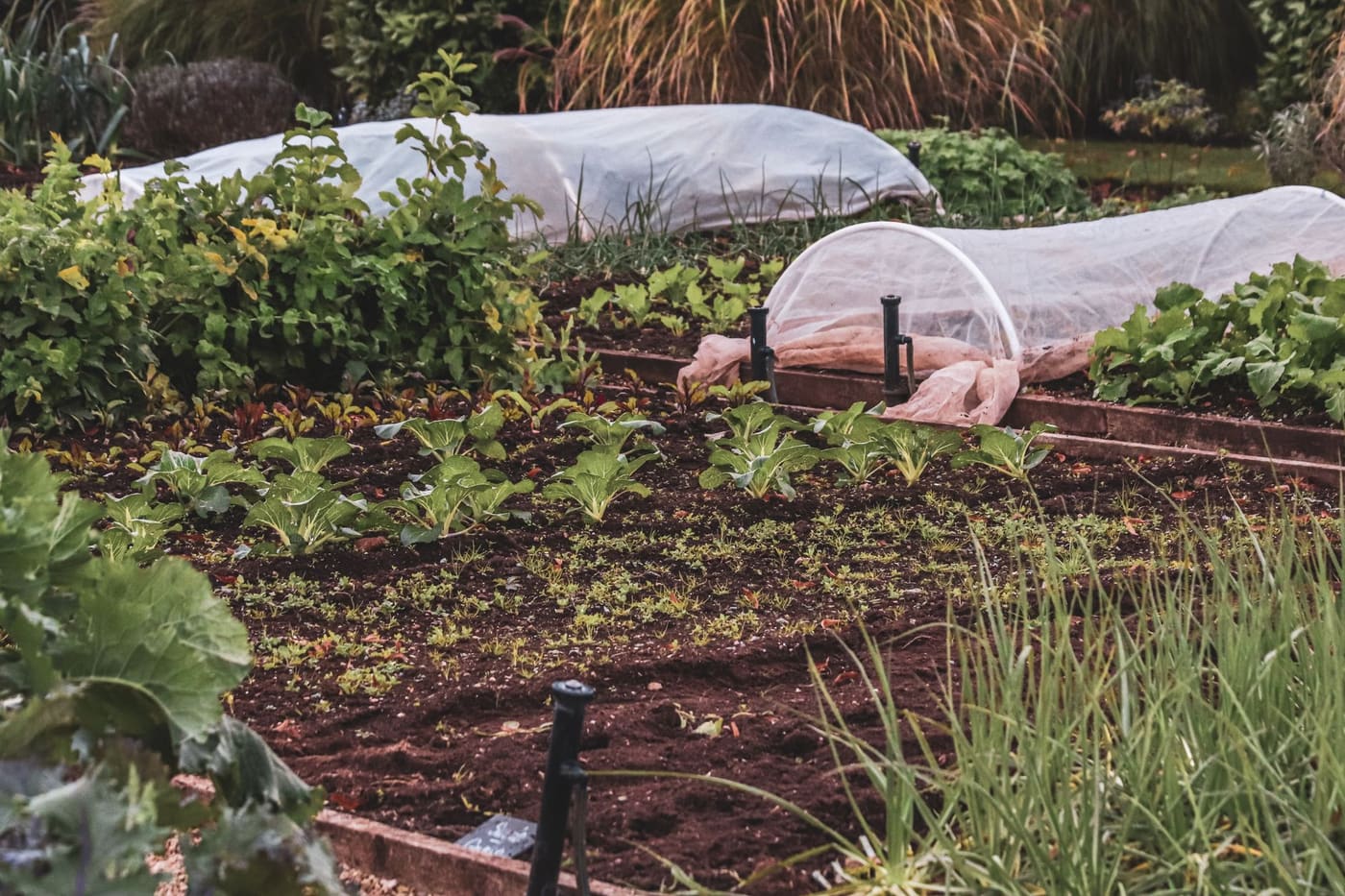
- Cover plants in the evening with row cover or old sheets, supported so the fabric does not rest on leaves. Plastic touching leaves can transmit cold.
- Water the soil the day before, since moist soil holds more heat than dry.
- Remove covers in the morning once temperatures rise.
- Check the forecast. Frost warnings usually mean temperatures near or below 32F, though a few degrees above freezing can still hurt tender plants like basil.
Weigh covers down against wind. Do not use open flames, heaters, or extension cords in wet garden settings; they are fire and shock hazards.
Common timing mistakes
- Trusting a warm week early in spring, when cold snaps often return.
- Ignoring night temperatures, which stall tomatoes and peppers when cool.
- Planting cool crops too late, so spinach and lettuce bolt in long, hot days.
- Forgetting fall, when a second planting often gives the best-tasting greens.
- Not hardening off seedlings.
Timing problems can also show up later as plant stress. If tomato leaves yellow after a cold start, see why tomato leaves turn yellow. Neighbors, community garden coordinators, and your own notes add precision over time; after a few seasons you will know safe dates for your yard, which are often a little different from the published averages.
To turn your own frost date into a planting schedule, use the planting date helper and garden season checklist.
Where this comes from
This guide draws on published vegetable planting guidance from university cooperative extension programs, including their explanations of frost dates, cool-season and warm-season crops, soil temperature for germination and indoor seed starting, and on the USDA Plant Hardiness Zone Map’s stated purpose. Frost dates, planting windows and soil-temperature thresholds vary by region, crop and year, so confirm them with your local cooperative extension service and the seed packet before you plant.