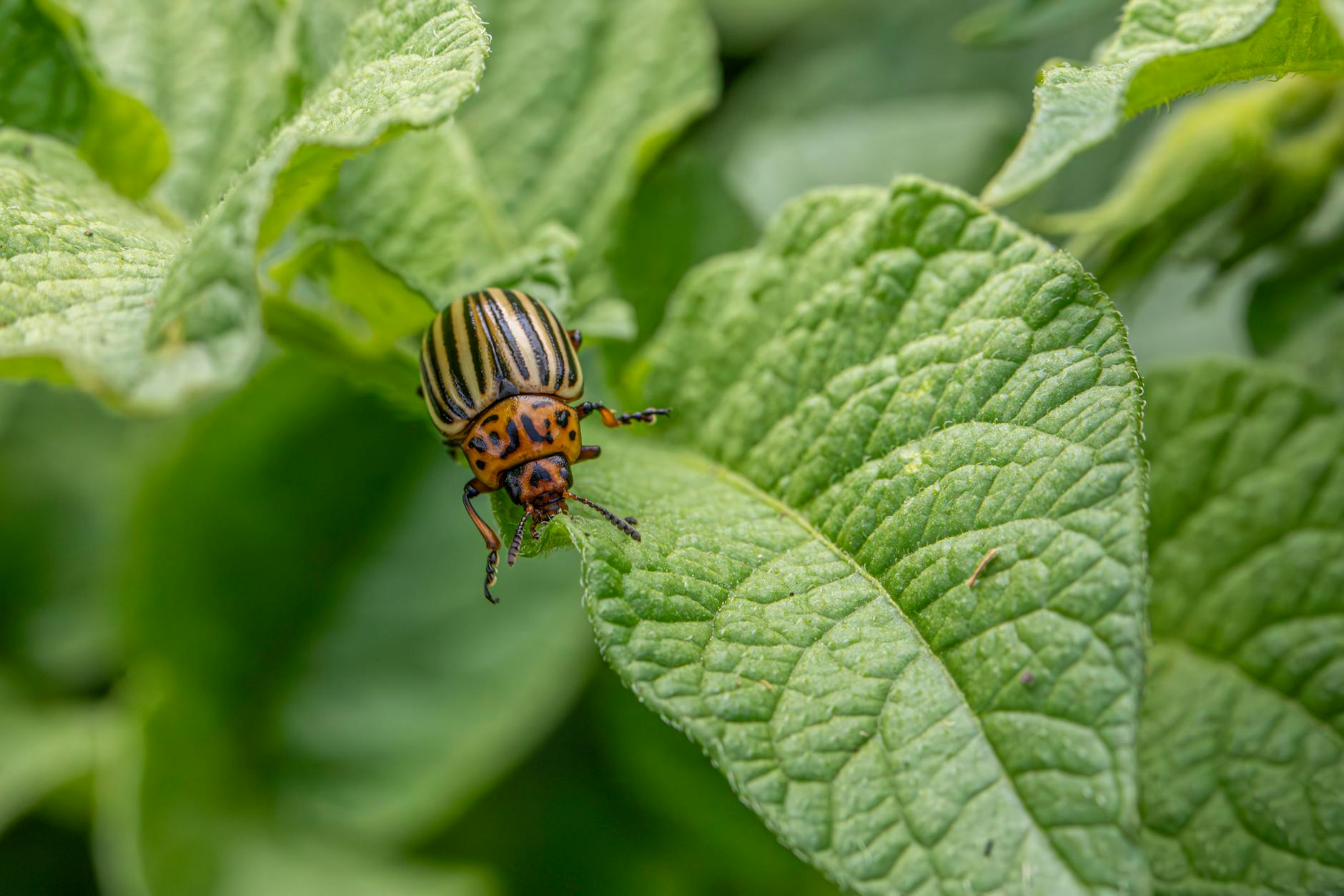
Handle garden pests by identifying the culprit first, judging how much damage the plant can actually tolerate, and starting with the mildest control that works. A few chewed leaves or some aphids rarely need a spray, and many sprays kill the predators that would have solved the problem for free.
A garden is a living system, and some insect activity is normal. The goal is not a spotless leaf but a plant that keeps growing and gives you what you planted it for. Extension services call this approach integrated pest management: accept a tolerable level of pests, monitor, and escalate only when needed.
Why reacting too fast backfires
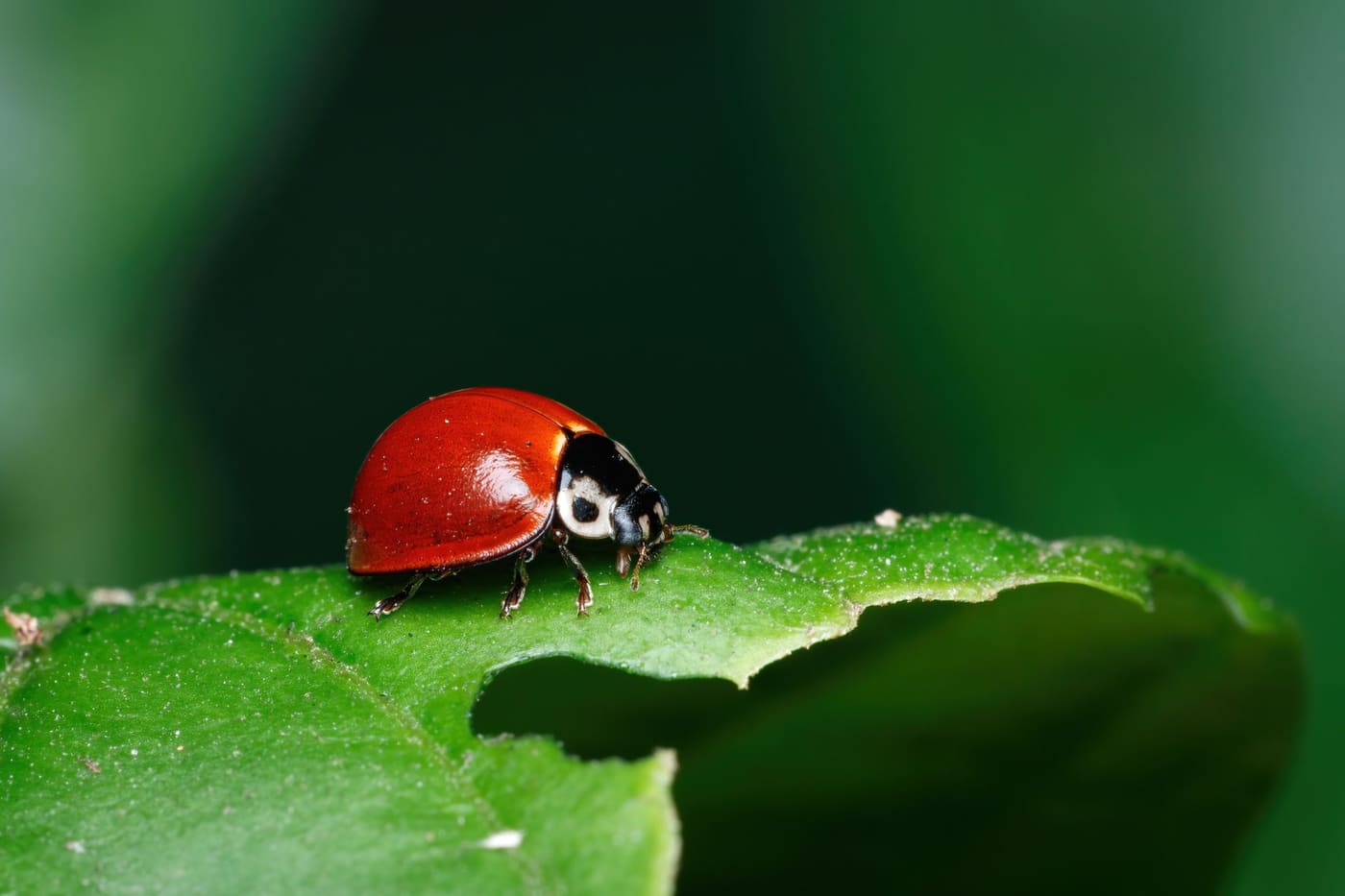
Broad-spectrum insecticides, whether synthetic or “natural,” can kill beneficial insects along with pests. Ladybug larvae, lacewing larvae, hoverfly larvae, and parasitic wasps all feed on aphids, mites, and caterpillars. Pests often reproduce faster than their predators, so spraying everything can leave a pest rebound with no natural enemies to hold it back.
Other common overreactions:
- Spraying without a diagnosis. A fungal leaf spot, a nutrient problem, and a pest can look alike from a distance, and treating the wrong cause wastes money and may stress the plant.
- Spraying in heat or direct sun. Oil and soap sprays can burn leaves.
- Spraying open flowers. Anything that kills insects can also kill bees and other pollinators. Skip blooming plants, and if a product must be used, apply it when pollinators are inactive, such as very early morning or evening, and only as the label allows.
- Pulling healthy plants. Established plants often grow through light leaf loss with no change in harvest.
Learn to read the damage
The shape of the damage tells you a lot. Look at both sides of leaves, the stems, and the soil surface, and check at dusk or early morning when many pests are active.
| What you see | Likely cause | Typical first response |
|---|---|---|
| Clusters of small soft insects on new growth, sticky residue | Aphids | Strong water spray, wipe off by hand |
| Ragged holes, dark droppings, green or striped caterpillars | Caterpillars (cabbage worms, hornworms) | Hand-pick, check daily |
| Stippled, pale leaves with fine webbing underneath | Spider mites | Rinse leaf undersides with water |
| Irregular holes plus slime trails, worst after rain | Slugs and snails | Evening hand-picking, boards as traps |
| Small round shot-holes in young seedlings | Flea beetles | Floating row cover |
| Seedling cut off at the soil line | Cutworms | Collars around stems |
| Tiny white insects fly up when you shake the plant | Whiteflies | Yellow sticky cards to monitor |
If you cannot tell what is feeding on the plant, go out after dark with a flashlight. Slugs, cutworms, and some beetles are rarely seen by day. Your local cooperative extension office can often identify a pest from a photo or a sample in a sealed bag.
Decide whether the damage matters
Ask three questions before you do anything.
- Is the plant young or stressed? Seedlings and fresh transplants have little leaf area to spare, so a pest that would be harmless on an established plant can kill them.
- Which part is being eaten? Lost leaves on a tomato or squash matter less than lost fruit or the growing tip. For leaf crops such as kale and lettuce, the leaf is the harvest.
- Is it getting worse? One cabbage worm is a nibble; twenty after a week is a trend.
A simple way to judge is to photograph the plant today and again in three days. If the damage has not spread, keep watching. If it is accelerating, act.
Start with the mildest controls
Work up a ladder. Most problems end on the first or second rung.
Rung one: hands and water
Hand-picking caterpillars, beetles, and hornworms is quick on a small plot, and a bucket of soapy water finishes the job. A firm spray from a hose knocks aphids and spider mites off leaves, and many do not climb back. Do it in the morning so leaves dry before evening.
Rung two: barriers and traps
- Floating row cover: lightweight fabric sealed at the edges keeps flea beetles, cabbage moths, and other egg-laying insects off crops. Remove it from crops that need pollinators, such as squash, once flowers open.
- Cutworm collars: a ring of cardboard or plastic pushed into the soil around a transplant protects the stem.
- Slug traps: a shallow container sunk to soil level, or a board you flip each morning, collects slugs.
- Yellow sticky cards: these monitor whiteflies and fungus gnats more than they control them, and they can catch beneficial insects, so use them sparingly.
Rung three: low-impact sprays
If pests keep climbing despite the steps above, products labeled for that specific pest on that specific plant come next. Insecticidal soap works on soft-bodied insects such as aphids, mites, and whiteflies, but only when it contacts them directly and while it is wet. Horticultural oil smothers mites and scale. Either may need repeat applications, and both can harm leaves in heat or sun.
Read the label every time. It lists which plants and pests the product is approved for, how long to wait before harvest, and what protective gear to wear; the label is a legal instruction, not a suggestion. Protect pollinators by never spraying open flowers or plants that bees are visiting. Keep every product out of reach of children and pets, in its original container, and never decant it into a food or drink bottle. If someone swallows a product or gets it in the eyes, contact a poison control center or your local emergency number right away.
Build a garden that resists pests
Prevention is cheaper than treatment.
- Feed the soil, not just the plant. Healthy, well-drained plants handle feeding damage better. The basics are in what makes good garden soil.
- Go easy on nitrogen. Lush, soft growth attracts aphids.
- Rotate crops. Avoid planting the same family (tomatoes, peppers, potatoes, and eggplant share one) in the same bed year after year; a rotation of about three years is a common recommendation.
- Add flowers. Small-flowered plants such as alyssum, dill, and cilantro that has bolted supply nectar for predatory wasps and hoverflies.
- Space plants for airflow. Crowding favors mites, slugs, and fungal disease.
- Clean up in fall. Remove diseased material and fallen fruit so pests have fewer places to overwinter, and do not add diseased plants to a compost pile that does not get hot.
- Water at the base. Wet foliage invites disease and slugs.
False alarms and animal pests
Some things that look like pest damage are not. Yellowing lower leaves on a tomato often come from watering or nutrition rather than insects, as why tomato leaves turn yellow explains. Edge-burned leaves in summer are often heat or water stress, and neat semicircular notches along a leaf edge are typically leafcutter bees, which are harmless. Many insects in the garden are helpful, including bees, hoverflies, ground beetles, spiders, and ladybugs. If you are not sure whether an insect is friend or foe, leave it alone and look it up first.
Animals can be pests too. Rabbits tend to cut stems cleanly while deer leave ragged tears. Fencing buried a few inches at the bottom keeps out most rabbits, and deer usually need a much taller fence than people expect, so ask your local extension office what works in your area.
When to call a professional
Most garden pests are a do-it-yourself matter. Get outside help for termites, carpenter ants, or other insects in the structure of your house or deck; for stinging-insect nests, especially ground nests or large wasp and hornet nests, which you should not disturb, and treat any sting as urgent if someone is allergic; and for tree infestations on large limbs, which may need a certified arborist. If a problem returns every year despite sensible cleanup, your cooperative extension office can help identify it and suggest options suited to your region. If you are growing your first crops, choosing easy ones from what beginner gardeners should grow first keeps the pest stakes low.
Where this comes from
This guide draws on published integrated pest management guidance for home gardens from university cooperative extension programs, including their advice on thresholds, hand-picking, barriers, insecticidal soap and horticultural oil, and on protecting pollinators when using any pesticide. Product approvals, label directions and local rules change and differ by region, so always follow the current label and check with your local cooperative extension service.